Weight Loss Myths to Stop Believing

Updated: Aug 4
Weight loss advice is everywhere, and much of it sounds confident. That does not make it true. The loudest tips often promise fast results, strict rules, or one “perfect” way to eat. In real life, lasting weight change usually comes from steady habits, enough food, better planning, and patience.
This article is for general information only and is not medical advice. Anyone with a health condition, a history of disordered eating, or questions about medication should talk with a qualified health professional.

Myth 1. You have to cut out carbs to lose weight
Carbs get blamed for almost everything, but they are not the enemy. Bread, rice, pasta, potatoes, fruit, beans, and oats can all fit into a healthy weight loss plan. The bigger issue is usually portion size, food quality, and what comes with the carbs.
A large plate of creamy pasta with garlic bread and soda is different from a bowl with whole-grain pasta, vegetables, lean protein, and olive oil. Both contain carbs, but they affect fullness and calorie intake in different ways.
Carbs also help fuel workouts, support daily energy, and make meals more satisfying. Cutting them too hard can backfire. Some people feel tired, irritable, or so restricted that they overeat later.
A better approach is to choose carbs that keep you full:
Oats or whole-grain toast at breakfast
Beans, lentils, or chickpeas with lunch
Potatoes or rice in reasonable portions at dinner
Fruit when you want something sweet
Low-carb eating can work for some people, but it is not required. The best plan is one you can follow without feeling punished.
Myth 2. Skipping meals speeds up fat loss
Skipping meals may reduce calories for a few hours, but it can also increase hunger later. Many people who skip breakfast or lunch end up grazing at night, eating larger portions, or craving higher-calorie foods.
Your body does not need constant snacking, but it does need enough nutrition. Going too long without food can make it harder to make calm choices. Hunger has a way of turning a planned dinner into chips while cooking, extra servings, and dessert that was not really wanted.
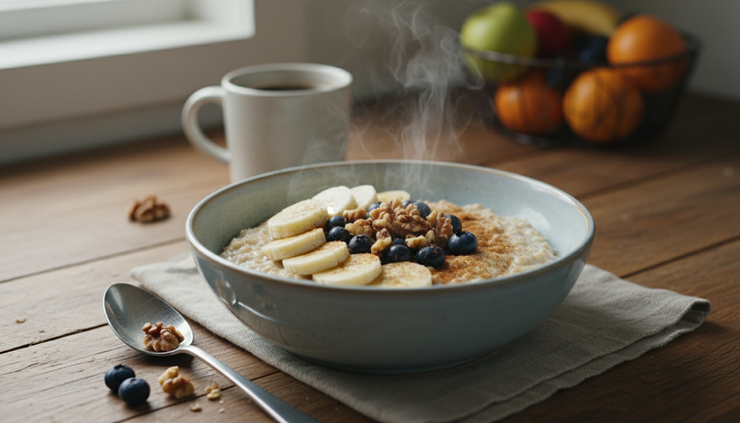
A simple meal rhythm helps. That might mean three meals a day, or two meals and a planned snack. The exact timing matters less than consistency.
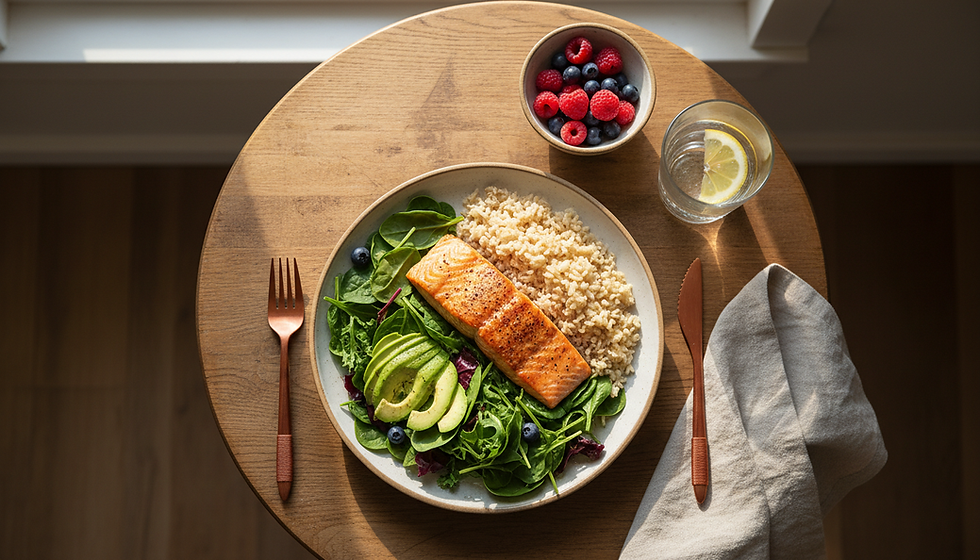
A useful meal includes:
Protein
Eggs, Greek yogurt, chicken, tofu, fish, beans, or lean meat
Fiber-rich carbs
Vegetables, fruit, beans, lentils, oats, or whole grains
Healthy fats
Nuts, seeds, avocado, olive oil, or nut butter
Skipping meals can feel productive, but steady eating often makes weight loss easier to maintain.
Myth 3. Detoxes and cleanses reset your body
Juice cleanses, detox teas, and “reset” plans are popular because they promise a fresh start. The problem is that the body already has systems for removing waste. The liver, kidneys, digestive tract, lungs, and skin all play a role.
Most detox products do not create lasting fat loss. They may cause a lower number on the scale for a short time because of water loss, less food volume, or more bathroom trips. That is not the same as meaningful fat loss.
Some cleanses are also low in protein and calories, which can leave people tired and hungry. Others include laxative-like ingredients that may cause dehydration or digestive upset.
If the goal is to feel better after a stretch of heavy meals, use a gentler reset:
Drink enough water
Eat protein at each meal
Add fruits and vegetables
Limit alcohol for a bit
Get back to regular sleep
Take a walk after meals
These basics may not sound dramatic, but they support the body without extreme rules.

Myth 4. Exercise alone is enough
Exercise is excellent for health. It supports the heart, muscles, mood, sleep, blood sugar control, and long-term weight maintenance. Still, exercise alone often does not create as much weight loss as people expect.
The reason is simple. It can be easy to eat back the calories burned during a workout without realizing it. A hard session may also increase hunger, lower movement later in the day, or lead to bigger “I earned it” meals.
This does not mean workouts are useless. Far from it. Movement works best when paired with realistic eating habits.
A strong weekly routine may include:
Walking most days
Strength training two or three times per week
Some higher-effort cardio if it feels good
Stretching or mobility work
More daily movement, such as taking stairs or doing chores
Strength training deserves special attention. During weight loss, the goal is not just to weigh less. It is to keep as much muscle as possible while reducing body fat. Protein, resistance training, and slow progress can help with that.
Myth 5. All calories are the same in real life
From a physics standpoint, calories matter. Weight loss requires taking in less energy than the body uses over time. But in daily life, foods do not affect hunger, cravings, energy, and fullness the same way.
A few hundred calories from soda do not fill most people the way a meal with chicken, beans, vegetables, and rice does. A cookie and a bowl of Greek yogurt with berries may have similar calories, but they can lead to very different hunger levels later.
That is why “just eat less” is not always helpful. Better food choices make eating less feel more manageable.
Focus on meals that are high in:
Protein
Fiber
Water-rich foods, like fruit and vegetables
Volume, meaning a satisfying amount of food
Flavor, because bland meals are hard to repeat
This is where many weight loss myths create confusion. They turn food into a list of forbidden items instead of teaching people how to build meals that satisfy.
Myth 6. Faster weight loss is always better
Fast results feel exciting, but they can be hard to keep. Extreme plans often rely on rules that do not fit normal life. Once the plan ends, old habits return quickly.
Slower progress may feel less impressive, but it usually gives more time to practice the skills that matter:
Planning simple meals
Eating enough protein
Managing portions without measuring everything forever
Handling restaurants and weekends
Sleeping well
Returning to routine after a slip
Weight naturally moves up and down from water, sodium, digestion, hormones, and exercise. A single weigh-in does not tell the whole story. Trends over several weeks matter more than daily changes.

The most useful weight loss plan is not the strictest one. It is the one that helps you repeat healthy choices on regular days, busy days, and imperfect days.
Start by letting go of the myths that make weight loss feel harder than it needs to be. Eat enough to feel steady, build balanced meals, move your body in ways you can repeat, and give progress time to show up. Sustainable change is rarely flashy, but it works because it fits real life.


Comments