Essential Nutrients for Better Health

Updated: Aug 4
Your body works all day, even when life feels ordinary. It turns food into energy, repairs tissue, moves oxygen through the blood, supports immunity, keeps bones strong, and helps the brain send messages. None of that happens by accident. It depends on a steady supply of nutrients.
Some nutrients are needed in larger amounts. Others are needed in tiny amounts, but those small amounts still matter. A healthy diet does not need to be complicated, rigid, or perfect. It does need variety, enough food, and a mix of foods that cover the basics.
This guide breaks down the essential nutrients your body needs every day, what they do, and where to find them in everyday meals.
This article is for general information only and is not a substitute for medical advice. Nutrient needs can change with age, pregnancy, health conditions, medications, activity level, and diet pattern.
What makes a nutrient essential
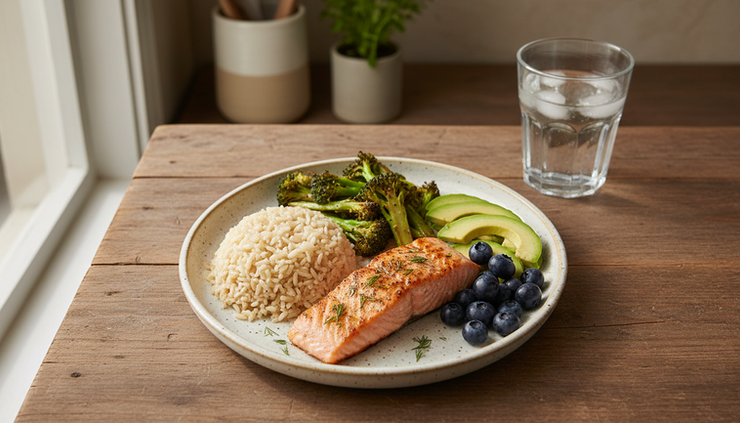
An essential nutrient is a substance the body needs to function but cannot make in enough amount on its own. That means it has to come from food, drinks, or, in some cases, supplements.
Essential nutrients fall into six main groups:
Carbohydrates
Protein
Fat
Vitamins
Minerals
Water
Fiber is often discussed alongside carbohydrates because it comes from plant foods and plays a major role in digestion and heart health. Phytonutrients, the natural compounds in colorful plant foods, are not classified as essential in the same strict way, but they are still valuable parts of a healthy eating pattern.
A useful way to think about nutrition is simple: no single food can do everything. Eggs have protein and several vitamins, but no fiber. Spinach has folate and minerals, but not much fat. Salmon provides protein and omega-3 fats, but not vitamin C. Variety fills the gaps.
Carbohydrates give your body usable energy
Carbohydrates often get blamed for problems that are really about food quality and portion patterns. The body uses carbs as a key source of energy, especially for the brain, muscles, and red blood cells.
Carbs break down into glucose, which your cells can use for fuel. The best daily sources usually come packaged with fiber, vitamins, minerals, and water.
Good choices include:
Oats, brown rice, quinoa, barley, and whole wheat bread
Beans, lentils, peas, and chickpeas
Potatoes and sweet potatoes
Fruit such as berries, oranges, bananas, apples, and pears
Vegetables of all kinds
Refined carbs, such as sugary drinks, candy, pastries, and many snack foods, can fit on occasion, but they do not offer the same nutrient value as whole plant foods.
Fiber helps digestion and fullness
Fiber is a type of carbohydrate the body does not fully digest. That is a good thing. It helps keep digestion regular, supports a healthy gut environment, and helps meals feel more satisfying.
Fiber comes from plant foods, especially:
Beans and lentils
Vegetables
Fruit with the skin or pulp
Nuts and seeds
Whole grains
A simple daily habit is to include at least one high-fiber food at each meal. Oatmeal at breakfast, lentils at lunch, and vegetables at dinner can make a big difference without much planning.
Protein builds and repairs body tissue
Protein is made of amino acids. Your body uses them to build and repair muscle, skin, organs, enzymes, hormones, and immune cells.
Some amino acids are essential, which means they must come from the diet. Animal foods usually contain all essential amino acids in useful amounts. Plant foods can also provide enough protein when meals include a variety of sources across the day.
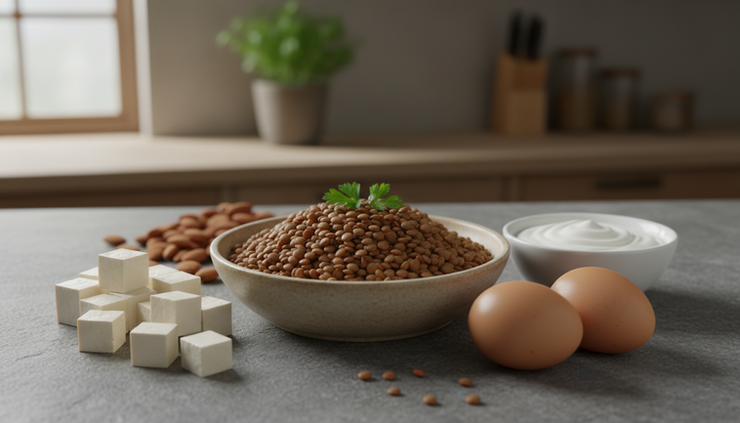
Good protein sources include:
Fish and seafood
Chicken, turkey, lean beef, and pork
Eggs
Milk, yogurt, and cheese
Soy foods such as tofu, tempeh, and edamame
Beans, lentils, and peas
Nuts, seeds, and nut butters
Protein needs vary. A smaller, less active adult may need less than someone who lifts weights, has a physically demanding job, is recovering from illness, or is older. Instead of chasing an exact number, many people do well by including a protein-rich food with each meal.
Fats support hormones, cells, and nutrient absorption
Fat is not just stored energy. The body needs fat to build cell membranes, make certain hormones, support the brain, and absorb fat-soluble vitamins.
The main fat-soluble vitamins are:
Vitamin A
Vitamin D
Vitamin E
Vitamin K
Without enough dietary fat, the body has a harder time using these vitamins well.
The type of fat matters. Unsaturated fats are often the best everyday choice. They are found in:
Olive oil and avocado oil
Avocados
Nuts and seeds
Peanut butter and almond butter
Fatty fish such as salmon, sardines, and trout
Saturated fat is found in foods such as butter, cheese, higher-fat meats, coconut oil, and many baked goods. It does not need to disappear from the diet, but it is wise to keep portions moderate and make room for more unsaturated fats.
Trans fats, often found in some partially hydrogenated oils, are best avoided when possible.
Omega-3 fats deserve special attention
Omega-3 fats help support normal body function, including the heart and brain. Fatty fish is one of the best-known sources. Plant sources include chia seeds, flaxseeds, walnuts, and canola oil.
For people who do not eat fish, plant sources still help. Some people may need fortified foods or supplements, especially on fully plant-based diets, but that choice is best made with a qualified health professional.
Vitamins help regulate vital processes
Vitamins do not provide calories, but they help the body use energy from food. They also support immunity, vision, blood clotting, bone health, skin health, nerve function, and cell repair.
Vitamins fall into two groups.
Water-soluble vitamins include vitamin C and the B vitamins. The body does not store most of these in large amounts, so regular intake matters.
Fat-soluble vitamins include vitamins A, D, E, and K. The body can store them, which means too little can be a problem, but too much from supplements can also be risky.
Here are some key vitamins and common food sources.
Vitamin | What it supports | Everyday food sources |
Vitamin A | Vision, skin, immune function | Sweet potatoes, carrots, spinach, eggs, dairy |
Vitamin C | Collagen formation, immune function, iron absorption | Citrus fruit, strawberries, bell peppers, broccoli |
Vitamin D | Bone health, calcium absorption, immune function | Fatty fish, fortified milk, fortified plant milks, eggs |
Vitamin E | Cell protection | Nuts, seeds, vegetable oils, spinach |
Vitamin K | Blood clotting, bone health | Leafy greens, broccoli, Brussels sprouts |
B vitamins | Energy metabolism, nerves, red blood cells | Whole grains, meat, fish, eggs, dairy, legumes |
Vitamin D is a little different because the body can make it when skin is exposed to sunlight. Still, many factors affect that process, including season, sunscreen use, skin tone, age, and time spent indoors. Food sources and supplements may matter for some people.
Minerals keep bones, blood, nerves, and muscles working
Minerals are inorganic nutrients the body needs for structure and function. Some are needed in larger amounts, such as calcium, magnesium, potassium, sodium, and phosphorus. Others, like iron, zinc, iodine, and selenium, are needed in smaller amounts.
Small does not mean optional. A low intake of key minerals can affect energy, focus, muscle function, bone strength, and general health.

Calcium and magnesium support bones and muscles
Calcium is best known for bone and tooth health. It also helps muscles contract and nerves send signals.
Good sources include:
Milk, yogurt, and cheese
Fortified plant milks
Calcium-set tofu
Sardines with bones
Kale, bok choy, and collard greens
Magnesium supports muscle and nerve function, blood sugar regulation, and normal energy production. It is found in nuts, seeds, beans, lentils, whole grains, and leafy greens.
Iron helps move oxygen
Iron is part of hemoglobin, the protein in red blood cells that carries oxygen. Low iron intake can be a concern for menstruating people, pregnant people, endurance athletes, and people who avoid meat.
Iron comes in two forms. Heme iron from animal foods is easier for the body to absorb. Non-heme iron from plant foods is still useful, especially when eaten with vitamin C-rich foods.
Examples:
Beef, poultry, seafood, and eggs
Lentils, beans, tofu, and spinach
Fortified cereals
Pumpkin seeds
Pairing beans with bell peppers, or spinach with citrus, can help the body absorb more non-heme iron.
Potassium and sodium work as a pair
Potassium and sodium help manage fluid balance, nerve signals, and muscle contractions. Most people get enough sodium, often from packaged and restaurant foods. Potassium is found in foods many people need more of, such as fruits, vegetables, beans, and dairy.
Potassium-rich foods include:
Potatoes and sweet potatoes
Bananas and oranges
Beans and lentils
Yogurt and milk
Spinach and tomatoes
People with kidney disease or certain medications may need to manage potassium carefully, so medical guidance matters in those cases.
Zinc, iodine, and selenium support specialized jobs
Zinc helps immune function, wound healing, and cell growth. Sources include meat, seafood, dairy, beans, nuts, and seeds.
Iodine is needed for thyroid hormone production. In the United States, iodized salt is a common source. Seafood and dairy can also provide iodine.
Selenium supports thyroid function and helps protect cells from damage. It is found in seafood, meats, eggs, and Brazil nuts. Brazil nuts can be very high in selenium, so more is not better.
Water is a nutrient too
Water is easy to overlook because it has no calories, but it is essential. It helps regulate body temperature, move nutrients, cushion joints, support digestion, and remove waste through urine and sweat.
Fluid needs change with body size, activity, weather, altitude, pregnancy, breastfeeding, and health status. A practical sign of adequate hydration is pale yellow urine most of the day, though vitamins and medications can change urine color.
Water is the best default drink. Other fluids and water-rich foods also contribute, including:
Milk and fortified plant milks
Unsweetened tea
Soups
Fruit such as watermelon, oranges, and berries
Vegetables such as cucumbers, lettuce, and zucchini
Sports drinks are not needed for most daily routines. They can be useful during long, intense activity or heavy sweating, but plain water works well for most people most of the time.
A simple daily pattern covers most needs
Good nutrition becomes easier when meals follow a repeatable pattern. Instead of tracking every nutrient, build meals from a few core parts.
Aim to include:
A protein food
A high-fiber carbohydrate
A colorful fruit or vegetable
A source of healthy fat
Water or another low-sugar drink
Here is what that can look like in real meals.
Meal | Simple example | Nutrients it brings |
Breakfast | Oatmeal with Greek yogurt, berries, and walnuts | Carbs, protein, fiber, calcium, omega-3 fats |
Lunch | Bean and vegetable bowl with brown rice and avocado | Fiber, protein, potassium, magnesium, healthy fats |
Snack | Apple with peanut butter | Carbs, fiber, fat, some protein |
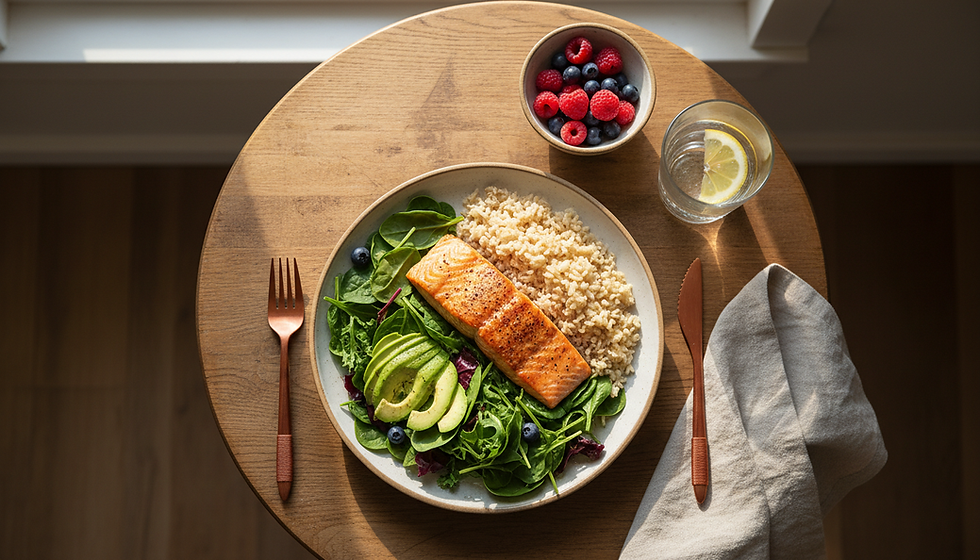
Dinner | Salmon with sweet potato and broccoli | Protein, omega-3 fats, vitamin A, vitamin C, potassium |
This pattern is flexible. A vegetarian dinner might use tofu or lentils instead of fish. A dairy-free breakfast might use fortified soy milk. A lower-cost lunch might use canned beans, frozen vegetables, and rice.
Frozen, canned, and dried foods can be nutritious choices. Canned beans, frozen spinach, canned salmon, oats, peanut butter, brown rice, and eggs are affordable staples that help cover many daily needs.

Supplements can help, but food still matters
Supplements can be useful when food alone does not meet a need. Common examples include vitamin D, vitamin B12 for many people eating vegan diets, iron during certain life stages, or prenatal vitamins during pregnancy.
Still, supplements are not a replacement for a balanced diet. Whole foods bring nutrients together in ways pills do not. An orange provides vitamin C, but also water, fiber, potassium, and plant compounds. Beans provide protein, carbs, fiber, iron, magnesium, and potassium in one affordable food.
More is not always safer. High doses of some nutrients can cause harm or interact with medications. This is especially true for fat-soluble vitamins, iron, selenium, and some herbal products.
If there is a suspected deficiency, lab testing and professional guidance are better than guessing.
The daily takeaway
The body needs a steady mix of carbohydrates, protein, fat, vitamins, minerals, and water. The easiest way to get that mix is to eat a variety of mostly whole foods across the day.
Build meals around plants, add enough protein, include healthy fats, drink water, and use fortified foods or supplements when they truly fit. No single meal has to be perfect. The pattern matters most.
A good next step is simple: look at the next meal and ask what is missing. If it has protein but no color, add fruit or vegetables. If it has carbs but no protein, add eggs, yogurt, beans, tofu, fish, or chicken. If it has everything but fluids, pour a glass of water. Small choices, repeated daily, are what keep nutrition working.


Comments