10 Simple Nutrition Tips for Healthier Eating

Updated: Aug 4
Eating well every day can feel overwhelming with so much conflicting advice. Yet, small, simple changes to your nutrition can make a big difference in how you feel and support a healthier lifestyle. This post shares 10 practical tips to improve your daily eating habits, backed by research and easy to apply.
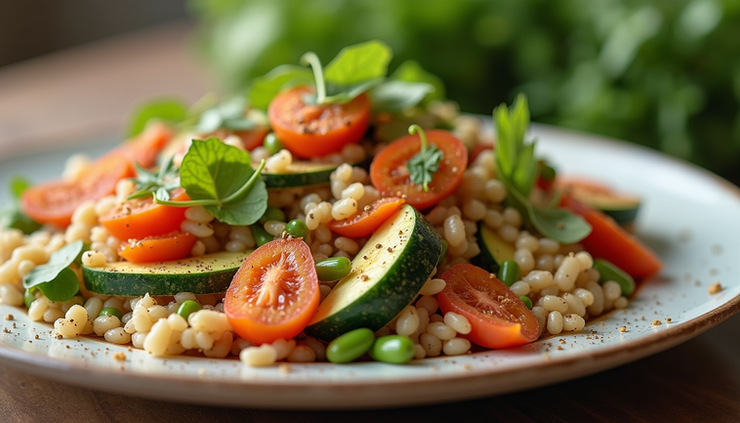
Focus on Whole Foods
Choose foods that are as close to their natural state as possible. Whole fruits, vegetables, nuts, seeds, whole grains, and lean proteins provide essential nutrients without added sugars, unhealthy fats, or preservatives. For example, swap packaged snacks for fresh fruit or raw nuts. This simple switch increases fiber intake and reduces empty calories.
Include Protein in Every Meal
Protein helps keep you full longer and supports muscle repair and immune function. Incorporate sources like beans, lentils, eggs, fish, poultry, or tofu into your meals. For instance, adding a boiled egg or a handful of chickpeas to your salad boosts nutrition and satiety.
Drink Plenty of Water
Hydration affects energy, digestion, and concentration. Aim for about 8 cups (2 liters) of water daily, adjusting for activity level and climate. Replace sugary drinks with water or herbal teas to reduce unnecessary calories and sugar intake.
Limit Added Sugars
Excess sugar contributes to weight gain, inflammation, and chronic diseases. Check labels for hidden sugars in sauces, cereals, and beverages. Try natural sweeteners like fruit or small amounts of honey instead of processed sugar. For example, use mashed bananas to sweeten oatmeal.
Eat More Fiber
Fiber supports digestion, stabilizes blood sugar, and promotes heart health. Whole grains, fruits, vegetables, legumes, and nuts are excellent fiber sources. Adding a tablespoon of chia seeds to yogurt or smoothies is an easy way to boost fiber intake.
Control Portion Sizes
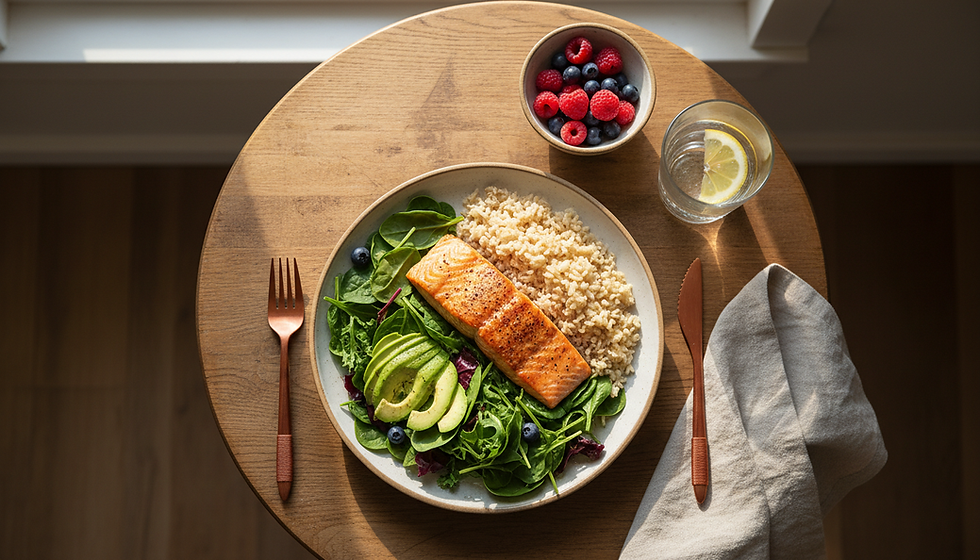
Even healthy foods can lead to weight gain if eaten in large amounts. Use smaller plates, measure portions, and listen to hunger cues. For example, fill half your plate with vegetables, a quarter with protein, and a quarter with whole grains.
Plan and Prepare Meals Ahead
Planning meals reduces reliance on fast food or processed options. Set aside time each week to prepare ingredients or cook meals in batches. This habit saves time and helps maintain consistent healthy eating.
Choose Healthy Fats
Not all fats are bad. Healthy fats from avocados, olive oil, nuts, and fatty fish support brain function and heart health. Replace butter or margarine with olive oil for cooking or salad dressings.
Limit Processed Foods
Processed foods often contain excess salt, sugar, and unhealthy fats. Minimizing intake of packaged snacks, ready meals, and sugary drinks improves overall nutrition. Instead, focus on fresh ingredients and homemade meals.
Listen to Your Body
Pay attention to how different foods make you feel. Eating mindfully helps you recognize hunger and fullness signals, preventing overeating. Slow down during meals, savor each bite, and avoid distractions like screens.


Comments