How to Build a Balanced Meal Plan

Updated: Jul 30
Eating well is one of the most effective ways to support your health goals and maintain energy throughout the day. Yet, many people struggle to design meal plans that provide the right nutrients without feeling overwhelming or restrictive. Building a balanced meal plan does not mean complicated recipes or strict dieting. Instead, it involves thoughtful choices that fuel your body and fit your lifestyle.
This guide will walk you through practical steps to create a meal plan that supports your health and keeps your energy steady from morning to night.
Understanding What Makes a Meal Balanced
A balanced meal includes a variety of nutrients that work together to nourish your body. The key components are:
Proteins: Help build and repair tissues, support immune function, and keep you full.
Carbohydrates: Provide the primary source of energy, especially for your brain and muscles.
Fats: Support cell health, hormone production, and absorption of fat-soluble vitamins.
Fiber: Aids digestion and helps maintain steady blood sugar levels.
Vitamins and Minerals: Essential for overall health and bodily functions.
Each meal should ideally contain a mix of these elements to keep your body fueled and functioning well.
Planning Your Meals Around Your Health Goals
Your health goals influence how you balance these nutrients. For example:
If your goal is weight management, focus on portion control and nutrient-dense foods that keep you satisfied longer.
For muscle building, increase protein intake and include complex carbohydrates for energy.
To improve heart health, emphasize healthy fats like those found in nuts, seeds, and olive oil, while limiting saturated fats.
For sustained energy, choose low-glycemic carbohydrates and combine them with protein and fat to avoid energy crashes.
Knowing your goals helps you prioritize which foods to include and how to structure your meals.
Building a Daily Meal Plan Step-by-Step
1. Start with Breakfast
Breakfast sets the tone for your day. Aim for a meal that combines protein, healthy fats, and fiber-rich carbohydrates. For example:
Greek yogurt with berries and a sprinkle of chia seeds
Whole-grain toast topped with avocado and a boiled egg
Oatmeal cooked with milk, topped with nuts and sliced banana
These options provide lasting energy and help avoid mid-morning hunger.
2. Plan Balanced Lunch and Dinner
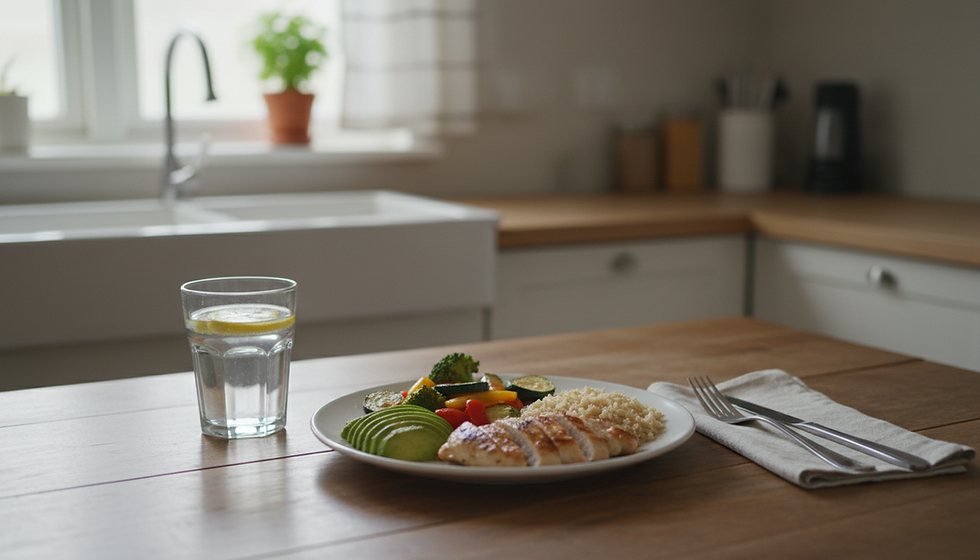
Lunch and dinner should include:
A source of lean protein such as chicken, fish, tofu, or legumes
Plenty of vegetables for fiber and vitamins
Whole grains like brown rice, quinoa, or whole-wheat pasta
A small amount of healthy fat, such as olive oil or avocado
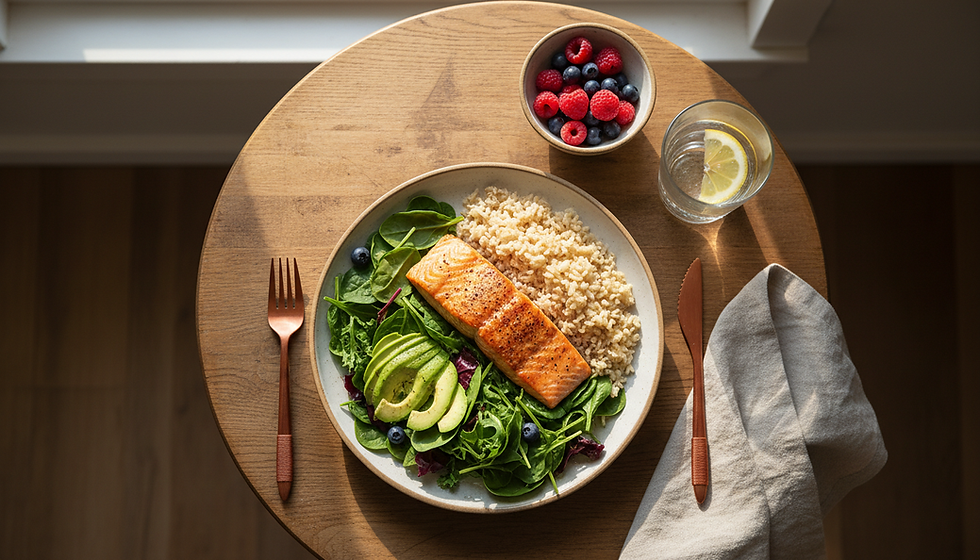
Example meal: Grilled salmon with quinoa and steamed broccoli drizzled with olive oil.
3. Include Healthy Snacks
Snacks can prevent energy dips and overeating at meals. Choose snacks that combine protein and fiber:
Apple slices with almond butter
Carrot sticks with hummus
A handful of mixed nuts and dried fruit

Tips for Staying Consistent and Flexible
Prepare meals ahead: Batch cooking saves time and helps avoid last-minute unhealthy choices.
Use a shopping list: Focus on whole foods and avoid processed items.
Listen to your body: Adjust portion sizes and food choices based on hunger and energy levels.
Stay hydrated: Drinking water supports digestion and energy.
Allow occasional treats: Balance includes flexibility to enjoy your favorite foods without guilt.
Monitoring and Adjusting Your Meal Plan
Track how you feel after meals. Are you energized or sluggish? Hungry soon after eating? Use this feedback to tweak your meal plan. For example, if you feel tired mid-afternoon, add a small protein-rich snack or adjust your lunch to include more fiber.

Comments