AI at Home: What’s Coming in 2026
The future is knocking at our doors, and it brings significant changes through artificial intelligence (AI). By 2026, AI will shift how we manage our homes, making them not just places to live but smarter environments that enhance our daily experiences. From innovative appliances to a new level of home assistants, these AI advancements promise to make our lives easier, more efficient, and ultimately, more enjoyable.
In this article, we will discuss the impressive advancements in AI that are expected to transform our homes in 2026. Let’s explore the future of home automation, smart living, and how AI will redefine our everyday routines.

The Rise of Smart Appliances
One of the most exciting trends we can anticipate in 2026 is the rise of smart appliances. Unlike today's models, these devices will be packed with AI and will learn from our daily habits. For example, imagine a refrigerator that can track inventory and suggest recipes based on what you have. If you have tomatoes and chicken, it might suggest a chicken salsa dish.
Furthermore, consider a washing machine that adjusts its settings automatically depending on the fabric type and level of soiling. If you toss in a load of delicate fabrics, it will create a gentle cycle. The communication between these appliances will create harmony in your home. For instance, when you bake a cake in your smart oven, it could preheat itself while your smart dishwasher schedules its cleaning cycle to run during off-peak energy hours, which could save you up to 20% on electricity bills.
Smart appliances will not only save us time and effort but will also reduce energy waste. With the right technology, households could lower energy consumption by 15-30%, benefiting both our wallets and the planet.
Personalized Home Assistants
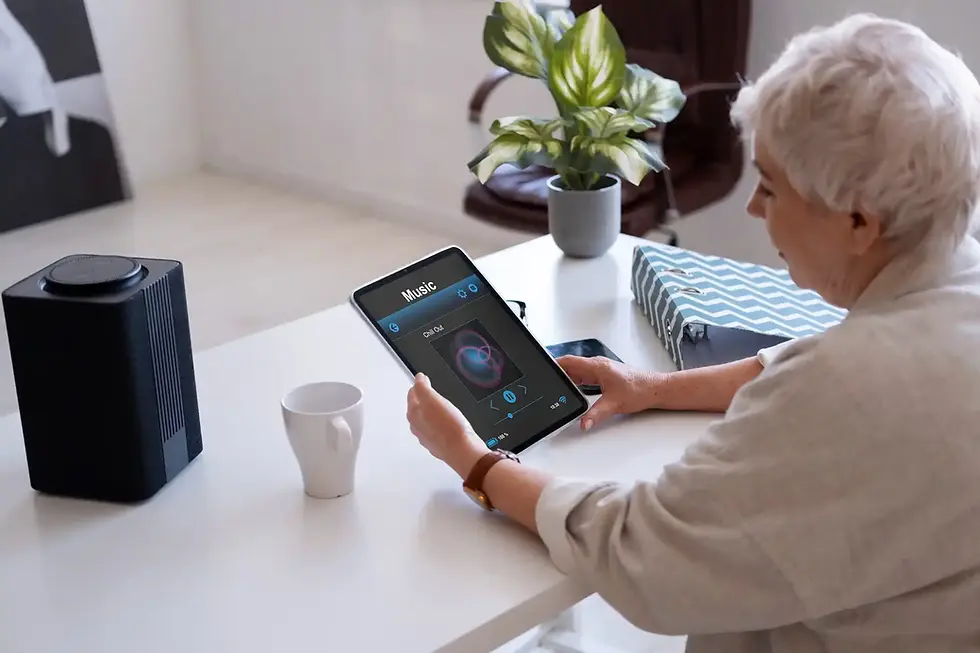
Home assistants will undergo a remarkable transformation by 2026. They will evolve into more than just devices that execute voice commands. Instead, they will leverage advanced natural language processing and machine learning to become more understanding and conversational.
Imagine interacting with a home assistant that detects when you’re stressed upon returning from work. It could gently suggest calming music or adjust the lighting to create a more relaxing ambiance. Also, these assistants could integrate seamlessly with your calendar and tasks. If you have been working non-stop, it might suggest taking a break and even remind you of an upcoming meeting in five minutes.
These personalized home assistants will be invaluable in managing not just your smart devices but also your time and activities. They could learn your habits and preferences over time, leading to a household that feels truly tailored to your needs.
Enhanced Home Security
AI will redefine how we think about home security by 2026. We can expect advanced security systems that do not just respond to alarms but also analyze activity patterns. Imagine a security system that can distinguish between a family member returning home and a possible intruder. Using facial recognition and smart cameras, it can provide alerts to your phone if it detects unfamiliar activity.
Smart locks will also enhance convenience and security, allowing you to control access remotely. Whether it’s letting in a service provider or granting access to a friend, you could do it all from your smartphone. This capability could reduce home break-ins by 25-30%, giving homeowners increased peace of mind.
Energy Management and Sustainability
AI will play a pivotal role in improving energy efficiency in our homes. By 2026, smart energy management systems are expected to review usage patterns and optimize consumption accordingly.
For example, your smart thermostat could decrease heating or cooling based on whether you're home or away, adjusting the temperature automatically to reduce waste. This could lead to energy savings of up to 20%. Additionally, AI will facilitate better use of renewable energy, such as solar panels, helping manage when and how power is used.
Smart systems will ensure that excess energy can be stored or sent back to the grid, benefiting both the home and the community by reinforcing sustainability efforts.
Health and Wellness Monitoring
AI is also set to have a transformative impact on health and wellness at home. By 2026, smart home technology will monitor vital health metrics and provide personalized insights. For instance, consider a system that can track air quality, humidity levels, and even your sleep patterns.
These AI systems could suggest improvements based on the data collected— like adjusting humidity levels to promote better sleep or alerting you to high levels of allergens in your living space. In the kitchen, smart appliances could help you maintain a healthy diet by tracking your eating habits and suggesting meal plans that align with your specific health goals.
This level of integration could empower families to make informed choices about their health, leading to a more balanced lifestyle.
Exciting Innovations Ahead
The upcoming advancements in AI for our homes are promising and full of opportunities. By 2026, we will experience homes that are not just simple living spaces but intelligent environments designed to cater to our daily needs. With developments in smart appliances, personalized home assistants, enhanced security, energy management, and health monitoring, our lives will become more efficient, secure, and enjoyable.
As we embrace these new technologies, we should be aware of the vital discussions around privacy and security. Balancing convenience and safety will be crucial as we welcome AI into our homes.
The future is here, and it’s time for us to get excited about the incredible changes that are coming to our living spaces!

Comments