How Solar Energy Reduces Your Monthly Bills

Switching to solar energy can significantly lower your monthly expenses. Many homeowners and businesses face rising electricity costs, and solar power offers a practical way to cut those bills. This post explains how solar energy works to reduce your monthly payments and why it’s a smart investment for your wallet and the environment.
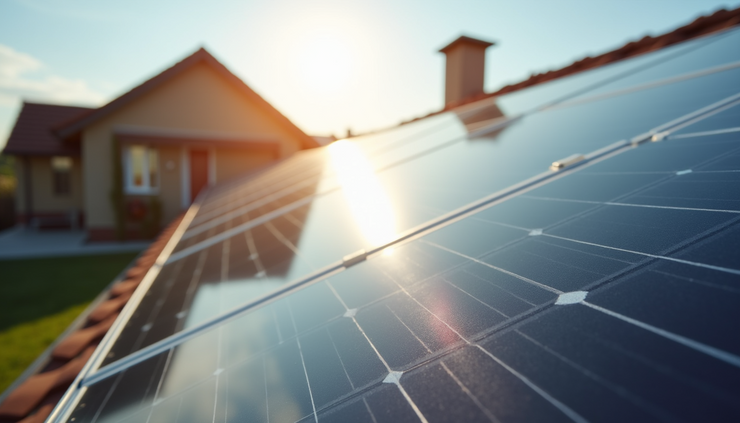
How Solar Energy Cuts Electricity Costs
Solar panels convert sunlight into electricity, which you can use to power your home or business. When your solar system produces more energy than you need, the excess often goes back to the grid, earning you credits or payments depending on your local policies. This process lowers the amount of electricity you have to buy from your utility company.
Here’s how it works in practice:
Generate your own power: Solar panels reduce your reliance on the grid by producing electricity during daylight hours.
Net metering benefits: Many areas offer net metering, which credits you for surplus energy sent back to the grid.
Lower peak demand charges: Solar energy can reduce your consumption during peak hours when electricity rates are highest.
Protection against rising rates: By producing your own power, you shield yourself from future electricity price increases.
For example, a typical household with a 6 kW solar system can save between $600 and $1,200 annually on electricity bills, depending on sunlight availability and local rates.
Additional Savings from Solar Energy
Beyond direct electricity savings, solar energy can reduce other costs:
Lower maintenance expenses: Solar panels require minimal upkeep, usually just occasional cleaning and inspections.
Increased property value: Homes with solar installations often sell faster and at higher prices.
Tax incentives and rebates: Governments and utilities may offer financial incentives that reduce the upfront cost of solar systems.
Reduced carbon footprint: While not a direct financial saving, using clean energy can qualify you for green energy credits or programs.
These factors add up to make solar energy a cost-effective choice over time.

What to Consider Before Installing Solar Panels
To maximize your savings, consider these points:
Roof condition and orientation: South-facing roofs with minimal shading produce the most energy.
Local electricity rates: Higher utility rates mean greater savings from solar power.
Available incentives: Check for federal, state, or local rebates and tax credits.
System size and energy needs: A system sized to your typical energy use will provide the best return.
Financing options: Buying outright, loans, or leasing affect your upfront costs and long-term savings.
A professional solar installer can assess your property and provide a detailed savings estimate.
How Solar Energy Fits Into Your Budget
Installing solar panels is an investment that pays off over time. The initial cost varies but often ranges from $10,000 to $25,000 before incentives. Many homeowners recover this cost within 5 to 10 years through lower electricity bills.
Here’s a simple example:
Installation cost: $15,000
Federal tax credit (26%): -$3,900
Net cost: $11,100
Annual electricity savings: $1,200
Payback period: About 9 years
After the payback period, your electricity savings continue, effectively reducing your monthly bills to near zero for the life of the system, which can be 25 years or more.
Final Thoughts on Solar Energy and Monthly Bills
Solar energy offers a clear path to reducing your monthly electricity bills. By generating your own power, taking advantage of net metering, and benefiting from incentives, you can lower your expenses and protect yourself from rising energy costs. Consider your home’s solar potential and local policies to make the best decision.


Comments