The Art of Food Presentation
- Shahriar Shoheb

- Aug 27, 2025
- 4 min read
Food is not just about taste; it’s also about how it looks on the plate. The art of food presentation can elevate a simple meal into a culinary masterpiece. Whether you are a home cook or a professional chef, understanding the principles of food presentation can enhance the dining experience and make your dishes more appealing. In this blog post, we will explore various techniques and tips to help you master the art of food presentation.

Why Presentation Matters
Food presentation is crucial for many reasons. First and foremost, it stimulates the senses. Studies have shown that people enjoy their meals more when the dish looks appealing. A plate with vibrant colors can increase perceptions of taste and quality by up to 30%.
Moreover, food presentation plays a significant role in the overall dining experience. It can set the mood for a meal, whether it’s a casual family dinner or a special occasion. A well-presented plate has the power to impress guests, making them feel valued while creating lasting memories.
Finally, in today’s digital age, where food photography is widespread, the visual appeal of a dish can significantly influence its reception online. According to a survey, 67% of diners say they are more likely to try a restaurant's dish if it looks good on social media.
Basic Principles of Food Presentation
To create visually appealing dishes, it’s essential to understand some basic principles of food presentation. Here are a few key elements to consider:
Color
Color is one of the most important aspects of food presentation. A vibrant plate can be more enticing than a monochrome one. For instance, when making a salad, including red tomatoes, green cucumbers, and yellow bell peppers can make the dish pop. Aim for 3 to 5 different colors on your plate for maximum impact.
Texture
Texture adds depth to a dish. Mixing different textures, such as creamy sauces with crunchy toppings, creates a more dynamic presentation. For example, a creamy risotto topped with crispy pancetta and fresh chives not only tastes delicious but also looks appealing.
Arrangement
The way food is arranged on the plate can significantly impact its presentation. Use the rule of thirds to create balance. For example, if you have grilled chicken, place it slightly off-center on the plate and arrange grilled vegetables around it. This technique directs the eye and creates a more engaging visual experience.
Height
Creating height in a dish can make it visually striking. Stack ingredients like roasted potatoes with sautéed greens on top or use molds to layer components. This not only enhances the presentation but adds an element of surprise when the dish is served.
Creative Garnishing Techniques
Garnishing is an art form in itself. The right garnish can elevate a dish and add a finishing touch. Here are some creative garnishing techniques to consider:
Fresh Herbs
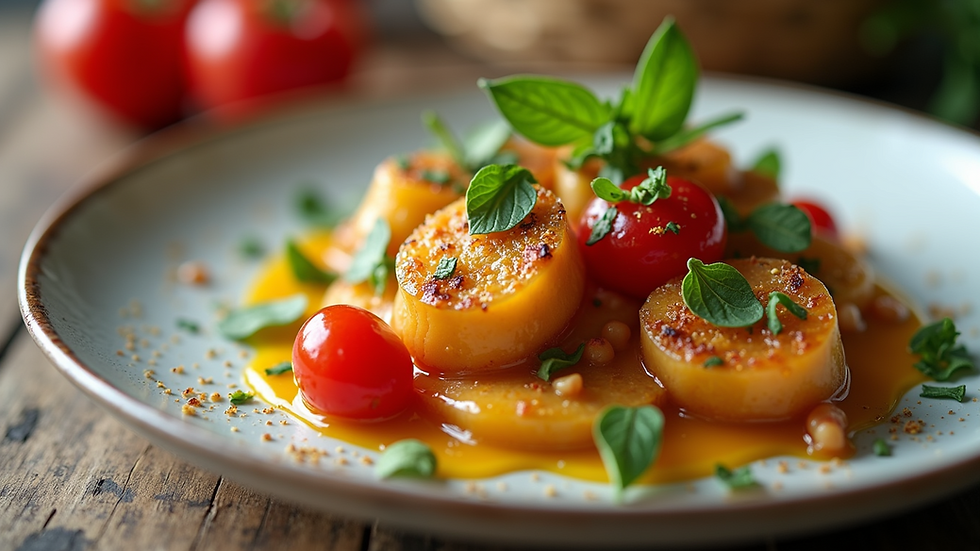
Fresh herbs are a classic garnish that adds both color and flavor. A sprig of parsley, basil, or cilantro can make a plate come alive. For instance, a bowl of tomato soup topped with basil not only looks better but enhances the flavor profile as well.
Edible Flowers
Edible flowers can add a touch of elegance to any dish. They come in various colors and shapes, making them a beautiful addition to salads and desserts. Using flowers like nasturtiums or pansies can create a stunning visual effect. Just ensure they are safe for consumption and pesticide-free.
Sauces and Purees
Drizzling sauces or purees around the plate can create stunning visuals. Use a squeeze bottle to create patterns or simply use a spoon to drizzle creatively. For instance, a berry coulis on a dessert plate can enhance not only the look but the flavor in every bite.

The Impact of Tableware
The choice of tableware can significantly influence food presentation. Here are some tips for selecting the right plates and utensils:
Plate Size and Shape
The size and shape of the plate can greatly affect how food is presented. A larger plate creates negative space, making the food stand out. For example, a beautifully arranged dessert on a large white plate draws attention compared to a small, crowded dish. Experimenting with different shapes, like square or round, can also enhance visual appeal.
Color and Texture
Consider the color and texture of the tableware. A white plate can provide a clean background for colorful dishes, while textured plates add depth. For items like stir-fry, a bright blue or green plate can link to the dish's ingredients, making the entire presentation cohesive.
Utensils
The choice of utensils can also enhance the dining experience. Elegant cutlery can elevate a formal meal. For example, using gold or silver utensils for a holiday gathering can create an upscale feel, while rustic wooden utensils can add charm to a casual picnic.
Exploring Seasonal and Thematic Presentations
Incorporating seasonal ingredients and themes into your food presentation can create a unique dining experience. Here are some ideas to inspire you:
Seasonal Ingredients
Using seasonal ingredients enhances flavor and offers creative presentations. For example, a fall-themed dish could feature roasted squash and cranberries styled on a rustic wooden board, while a summer dish could arrange fresh watermelon, feta, and mint skewers on a vibrant platter.
Thematic Presentations
Consider creating themed presentations for special occasions. For example, for a Halloween dinner, you might shape mashed potatoes into ghost figures or use black olives as "eyes" for fun and engagement. A beach-themed meal could incorporate shells and colors reminiscent of the sea for a fun, memorable presentation.

Wrapping Up Your Culinary Creations
The art of food presentation is a skill that can be developed with practice and creativity. By understanding the principles of color, texture, arrangement, and height, you can transform your dishes into visual masterpieces. Remember to experiment with garnishing techniques and choose the right tableware to elevate your presentations further.
Whether you are cooking for yourself or entertaining guests, taking the time to present your food beautifully can elevate the entire dining experience. So, the next time you plate a dish, think about how you can make it not only delicious but also visually stunning. Happy plating!


Comments