Benefits of Learning Music
Music learning offers more than just the ability to play an instrument or sing a song. It plays a significant role in shaping a child’s growth across multiple areas. From improving cognitive skills to enhancing emotional well-being, engaging with music can support a child’s development in ways that extend far beyond the music room.

How Music Supports Brain Development
Learning music requires children to listen carefully, recognize patterns, and coordinate their hands and eyes. These activities stimulate brain areas responsible for language, memory, and spatial reasoning. Studies show that children who take music lessons often perform better in subjects like math and reading.
For example, when a child learns to read music, they decode symbols and translate them into sounds. This process strengthens their ability to understand complex information and improves concentration. Playing an instrument also demands fine motor skills and timing, which help develop coordination and discipline.
Emotional and Social Benefits of Music Learning
Music provides a unique way for children to express their feelings. Whether they are happy, sad, or excited, playing or singing music allows them to communicate emotions that might be hard to put into words. This emotional outlet can boost self-esteem and reduce stress.
Group music activities, such as choir or band, teach children how to work together. They learn to listen to others, follow directions, and contribute to a shared goal. These experiences build social skills and encourage cooperation, which are essential for healthy relationships.
Music and Language Development
Music and language share many elements, including rhythm, tone, and pitch. When children learn music, they become more sensitive to these elements, which helps with language acquisition. For example, young children who engage in singing and rhythm games often develop better vocabulary and pronunciation.
Research indicates that musical training can improve auditory processing, making it easier for children to distinguish sounds in speech. This skill is especially helpful for children learning a second language or those with speech delays.
Practical Ways to Introduce Music Learning
Parents and educators can encourage music learning in simple, enjoyable ways:
Sing together: Singing nursery rhymes or simple songs helps children develop pitch and rhythm.
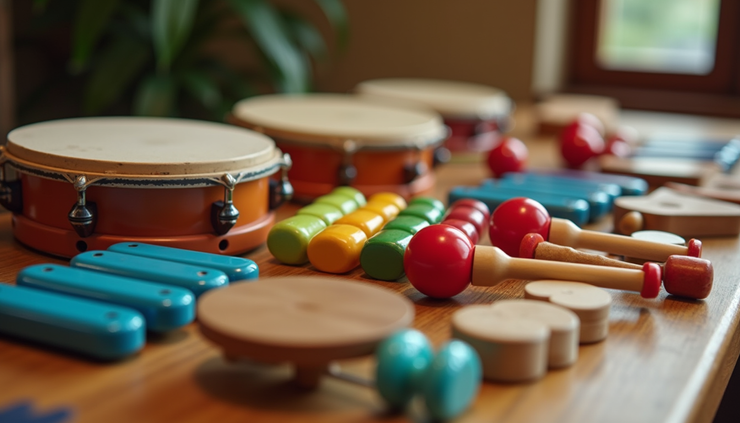
Use instruments: Introduce basic instruments like drums, tambourines, or xylophones to explore sounds.
Attend music classes: Structured lessons provide guidance and motivation.
Create a musical environment: Play different types of music at home to expose children to various styles and cultures.
These activities do not require expensive equipment or formal training. The key is to make music a regular and fun part of a child’s life.
Long-Term Impact of Music Learning
Children who engage in music learning often carry the benefits into adulthood. The skills they develop—such as discipline, creativity, and emotional awareness—can improve academic performance and personal growth. Music also encourages lifelong habits of listening and appreciation for culture.
In addition, music learning can open doors to new opportunities. Some children discover talents that lead to careers in music or related fields. Others find that music provides a healthy way to manage stress and connect with others throughout life.


Comments