Fun Practice Tips for Kids
Learning to play an instrument can be exciting, but practice sometimes feels like a chore for young musicians. Keeping practice sessions enjoyable helps children stay motivated and improve faster. This post shares practical tips to make music practice fun and effective for kids, turning daily routines into moments they look forward to.
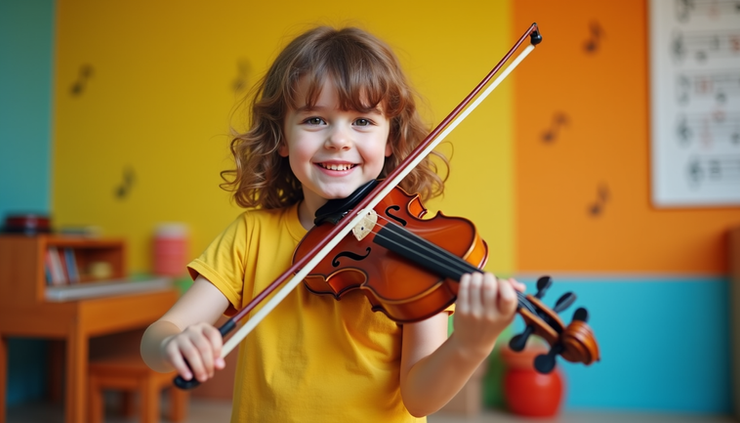
Create a Welcoming Practice Space
The environment where kids practice affects their mood and focus. Design a practice area that feels inviting and inspiring:
Choose a quiet corner with good lighting.
Decorate with posters of favorite musicians or music-themed art.
Keep instruments and sheet music organized and easy to reach.
Add a comfortable chair or stool suited to the instrument.
A dedicated space signals that practice time is special. When kids feel comfortable, they are more likely to stay engaged.
Set Short, Clear Goals
Long practice sessions can overwhelm young musicians. Break practice into manageable chunks with specific goals:
Focus on mastering one scale or song section at a time.
Use a timer to practice in 10-15 minute intervals with breaks.
Celebrate small wins like playing a passage without mistakes.
Clear goals give kids a sense of achievement and keep practice focused. For example, a 12-year-old learning piano might aim to play a simple melody smoothly before moving to the next piece.
Use Games and Challenges
Turning practice into a game adds excitement and encourages progress. Try these ideas:
Rhythm Clapping: Clap rhythms from a piece and have the child repeat.
Note Hunt: Find and play specific notes on the instrument quickly.
Practice Bingo: Create a bingo card with practice tasks to complete.
Challenges motivate kids to improve while having fun. For instance, a guitar player might race to play chords cleanly within a set time.
Incorporate Technology Wisely
Technology can support practice without distractions. Useful tools include:
Metronome apps to keep steady tempo.
Recording devices to track progress.
Interactive music games that reinforce skills.
Limit screen time and choose apps designed for learning. A young drummer might use a metronome app to build timing skills, making practice more precise and enjoyable.

Encourage Playing Along with Music
Playing along with recordings helps kids develop timing and musicality. Suggestions include:
Choose backing tracks or simple songs in the same key.
Start slow and gradually increase speed.
Encourage improvisation or adding personal flair.
This approach makes practice feel like a jam session rather than a task. A young saxophonist might enjoy playing along with jazz tracks to build confidence and creativity.
Mix Up Practice Activities
Variety prevents boredom and builds well-rounded skills. Rotate between:
Technical exercises like scales and arpeggios.
Sight-reading new music.
Learning new songs.
Ear training and singing.
Changing activities keeps practice fresh and covers different aspects of musicianship. For example, a violin student might spend one day on bowing techniques and the next on learning a folk tune.
Involve Family and Friends
Support from others makes practice more enjoyable and meaningful:
Family members can listen and offer encouragement.
Siblings or friends can join for duet practice.
Attend concerts or recitals together for inspiration.
Positive social experiences connect practice to real-life enjoyment. A child practicing flute might feel proud sharing progress with parents or playing with a friend.
Reward Progress with Meaningful Incentives
Rewards motivate kids to keep practicing consistently. Ideas include:
Stickers or stars on a practice chart.
Extra playtime or a favorite snack after practice.
Small music-related gifts like new sheet music or accessories.
Rewards should recognize effort and improvement, not just perfection. This encourages a growth mindset and builds lasting motivation.
Build a Routine but Stay Flexible
Consistency helps develop good habits, but flexibility keeps practice enjoyable:
Set regular practice times that fit the child’s schedule.
Allow some choice in what to practice each day.
Adjust length and intensity based on mood and energy.
A routine provides structure, while flexibility respects the child’s needs. For example, a young pianist might practice 20 minutes daily but choose between scales or favorite songs.
Keep Encouragement Positive and Specific
How adults talk about practice influences a child’s attitude:
Praise effort and progress, not just results.
Give specific feedback like “Your rhythm is much steadier today.”
Avoid pressure or criticism that causes stress.
Positive support builds confidence and a love for music. Saying “I noticed you played that part really smoothly” helps kids feel proud and motivated.


Comments