Best Instruments for Kids
Starting music lessons can be a wonderful experience for children. Choosing the right instrument is key to keeping their interest and helping them develop skills. Some instruments are easier for beginners, especially young kids, while others require more coordination or strength. This guide explores the best instruments for kids to start music, focusing on ease of learning, size, and fun factor.

Why Choosing the Right Instrument Matters
Picking an instrument that fits a child's age, size, and personality can make a big difference. If the instrument is too difficult or uncomfortable, kids may lose interest quickly. On the other hand, an instrument that feels natural and enjoyable encourages practice and progress. Parents and teachers should consider:
Physical size and weight of the instrument
Complexity of playing technique
Sound appeal to the child
Availability of beginner lessons and resources
Starting with a simple instrument builds confidence and lays a foundation for learning more complex ones later.
Top Instruments for Young Beginners
1. Ukulele
The ukulele is a popular choice for kids because it is small, lightweight, and has only four strings. Its nylon strings are gentle on fingers, making it easier for children to press down notes. The ukulele produces a bright, cheerful sound that many kids enjoy.
Size fits well in small hands
Simple chords can be learned quickly
Affordable beginner models available
Encourages singing along
2. Piano or Keyboard
The piano is a classic starter instrument that teaches musical concepts like melody, harmony, and rhythm. Keyboards are a good alternative for smaller spaces and budgets. The layout of keys is straightforward, helping kids understand music visually.
No need to tune
Immediate sound when pressing keys
Wide range of notes for exploration
Supports solo and group playing
3. Recorder
The recorder is a wind instrument often used in school music programs. It is inexpensive and easy to carry. Kids learn breath control and finger coordination, which are useful skills for other wind instruments later.
Lightweight and portable
Simple fingerings for beginners
Helps develop breath control
Common in early music education
Instruments to Consider for Older Kids
4. Violin
The violin is a great choice for kids who want to explore string instruments. It requires some practice to hold and bow correctly, but many children start as young as four or five. Violins come in smaller sizes to fit young players.
Develops ear training and fine motor skills
Wide range of musical styles available
Requires regular tuning and care
Group lessons and orchestras often available
5. Drums or Percussion
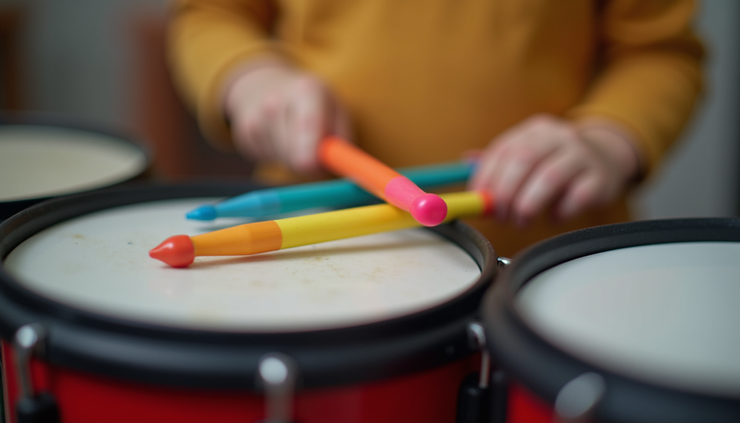
Drums help kids develop rhythm and coordination. Starting with a simple drum pad or small drum set can be exciting and energetic. Percussion instruments like tambourines or bongos are also good for younger children.
Builds sense of timing
Physical and engaging
Variety of percussion instruments to try
Can be loud, so consider practice space
Tips for Helping Kids Choose and Stick with an Instrument
Let the child try different instruments before deciding
Choose an instrument that matches their interest and personality
Set realistic practice goals and keep sessions short and fun
Find a good teacher or online lessons suited for kids
Encourage playing with friends or family for motivation


Comments