Fabric Care & Clothing Life
Clothing is more than just fabric stitched together. It reflects style, personality, and often, memories. Yet, many garments lose their charm quickly due to improper care. Understanding how to care for fabric can extend the life of your clothes, save money, and reduce waste. This post explores practical ways to maintain your wardrobe and keep your favorite pieces looking fresh longer.

Understanding Fabric Types and Their Needs
Different fabrics require different care methods. Knowing the material of your clothing helps you choose the right washing, drying, and storage techniques.
Cotton: Durable and breathable, cotton can usually handle machine washing. Use cold water to prevent shrinking and fading.
Wool: Sensitive to heat and agitation. Hand wash or use a gentle cycle with cold water. Lay flat to dry to avoid stretching.
Silk: Delicate and prone to damage. Dry cleaning is often recommended, but hand washing with mild detergent can work.
Synthetic fabrics (polyester, nylon): Generally durable and quick-drying. Wash in cold water and avoid high heat in drying.
Linen: Breathable but wrinkles easily. Wash in cold water and hang to dry to maintain shape.
Checking the care label on each garment is essential. It provides specific instructions tailored to the fabric blend and construction.
Washing Tips to Protect Your Clothes
Washing is the most common cause of wear and tear. Follow these tips to reduce damage:
Sort laundry by color and fabric weight to avoid color bleeding and fabric abrasion.
Use mild detergents designed for delicate fabrics or sensitive skin.
Avoid overloading the washing machine. Clothes need space to move freely.
Turn garments inside out to protect prints and colors.
Use cold or lukewarm water instead of hot water to prevent shrinking and fading.
Skip fabric softeners on towels and activewear to maintain absorbency and breathability.
Drying Methods That Preserve Fabric Quality
Drying can cause shrinking, stretching, or weakening of fibers if done incorrectly.
Air drying is the gentlest method. Lay flat for wool and knitwear to keep shape.
Hang clothes on a line or drying rack for cotton and synthetics.
Avoid direct sunlight for delicate fabrics to prevent fading.
If using a dryer, select a low heat or air-dry setting.
Remove clothes promptly from the dryer to reduce wrinkles.
Storing Clothes to Maintain Shape and Freshness
Proper storage prevents damage from moisture, pests, and deformation.
Use padded hangers for delicate garments to avoid shoulder bumps.
Fold heavy sweaters and knits to prevent stretching.
Store clothes in a cool, dry place with good ventilation.
Use breathable garment bags for seasonal storage.
Avoid plastic bags that trap moisture and cause mildew.

Repair and Upkeep to Extend Clothing Life
Small repairs can save clothes from the landfill and keep them wearable longer.
Sew loose buttons and fix small tears promptly.
Replace broken zippers or hooks.
Use fabric glue or patches for holes in casual wear.
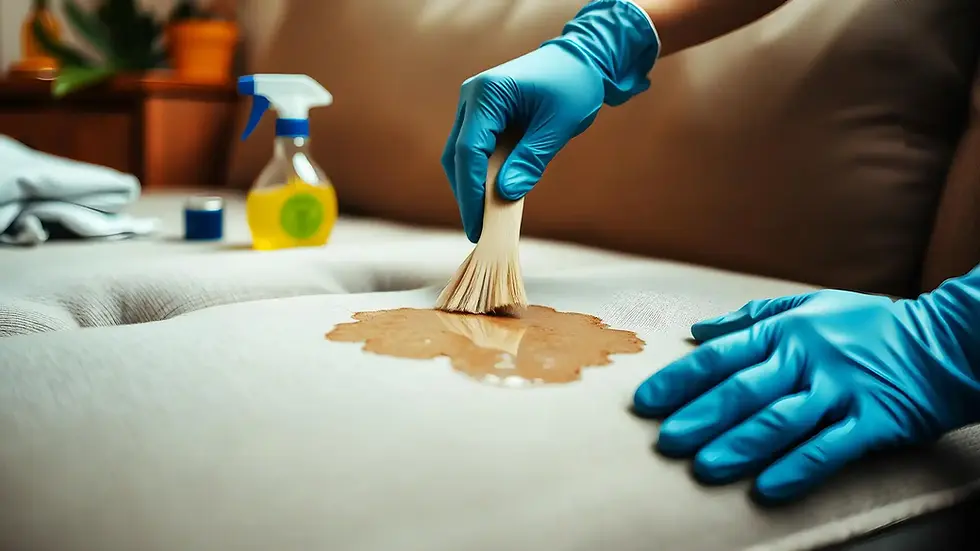
Remove stains quickly using appropriate stain removers.
Refresh clothes by airing them out or using fabric sprays between washes.
Sustainable Fabric Care Practices
Caring for clothes well supports sustainability by reducing waste and resource use.
Wash less frequently to save water and energy.
Use eco-friendly detergents free from harsh chemicals.
Donate or recycle clothes that no longer fit or suit your style.
Choose quality over quantity when buying new garments.
Repair instead of replacing whenever possible.
Taking these steps helps your wardrobe last longer and reduces environmental impact.

Comments