Why Indoor Play Matters for Early Childhood Development
Play Is Where Real Learning Begins
Some of the most valuable lessons a child learns don't come from a classroom — they come from play. Creative games spark imagination, build problem-solving skills, and teach kids to think in new ways, all while they're simply having fun.
Pretend Play and Role-Playing
Pretend environments let kids step into new roles and practice communication, empathy, and storytelling in a way that feels completely natural to them.
Pretend play villages
Dress-up and costume corners
Play kitchens and market stalls
Puppet shows
Storytelling circles

Building and Construction Games
Hands-on building activities teach spatial reasoning and patience while giving kids something they can be proud of at the end.
Block-building challenges
Construction sets
Marble run design
Team building competitions
Structure-stacking games
Team Problem-Solving Games
Group challenges push kids to communicate and collaborate, turning play into an early lesson in teamwork.
Treasure hunts
Escape-room-style challenges
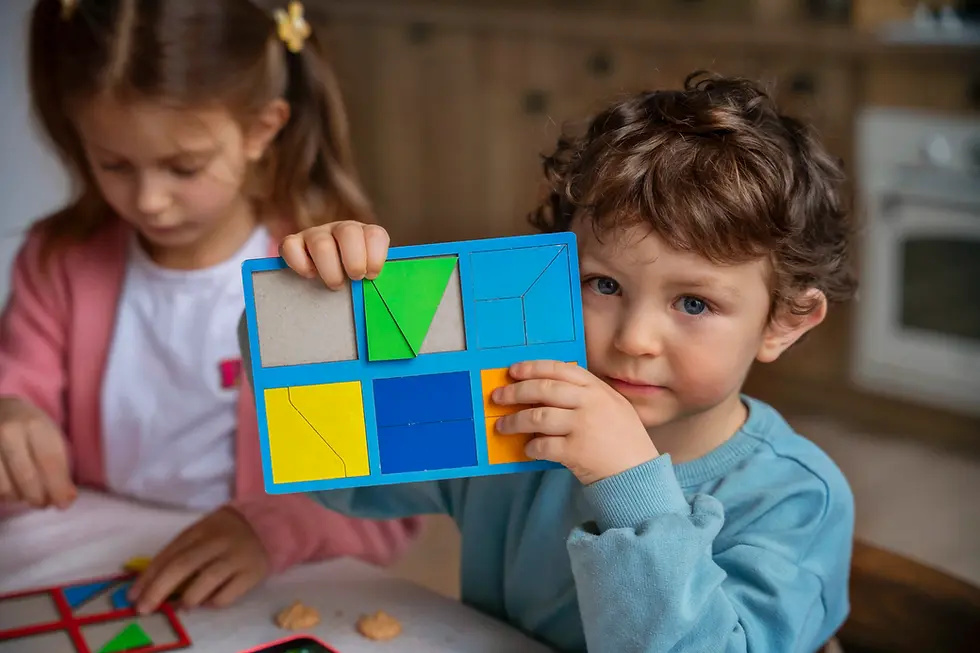
Group puzzle stations
Relay problem-solving games
Cooperative building tasks
Why Open-Ended Play Matters Mos
The best learning games don't have one right answer. Open-ended play lets kids experiment, make mistakes, and try again without pressure, which builds resilience alongside creativity — a combination no worksheet can replicate.
Final Thoughts
The best learning doesn't always look like a lesson — sometimes it looks like a game. By choosing creative, open-ended play experiences, families can help children build real skills while making memories that feel nothing like "school."