Creative Ways to Make Playtime a Learning Adventure

Play Is a Child's First Classroom
Play often looks like nothing more than fun, but it's one of the most powerful learning tools available to children. Every game, climb, and pretend adventure is quietly building skills kids will use for life.
Play Builds Cognitive Skills
Puzzles, obstacle courses, and building games develop problem-solving, memory, and critical thinking in ways that feel effortless to kids.
Puzzle and memory games
Strategy-based challenges
Building and construction play
Pattern and sorting activities
Cause-and-effect games

Play Develops Physical Skills
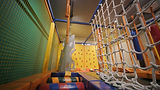
Climbing, balancing, and running build coordination, strength, and body awareness essential for healthy development.
Climbing structures
Balance beam activities
Running and racing games
Trampoline bouncing
Coordination-based obstacle courses
Play Strengthens Social and Emotional Skills
Sharing, taking turns, and navigating group games teach empathy, patience, and communication in ways that stick.
Turn-taking games
Group cooperative play
Conflict-resolution moments
Team celebration rituals
Shared pretend play
Why Curiosity Is the Real Goal
Beyond any single skill, open-ended and imaginative play keeps kids asking questions and exploring new ideas — a habit of curiosity that supports learning well beyond childhood.
Final Thoughts
Learning doesn't stop when the school day ends — it continues every time a child plays. By making room for active, imaginative play, families give children daily opportunities to grow in ways no worksheet ever could.